%2Ffit-in%2F250x250%2Fguide_websites%2F28606%2Fimages%2F1741405824341new_logo-105w.jpeg&w=1920&q=100)
Lemon Shark Catch at Night in Destin Florida
Lemon Shark Fishing in Destin - What to Expect
%2F%2Fusers%2F42bff830-31c8-46cc-8c43-24da4b63a31e%2Fimages%2Fdestin-lemon-shark-catch-2569.jpg&w=1920&q=75)
Fishing Charter by Captain Zachary Burnette in May
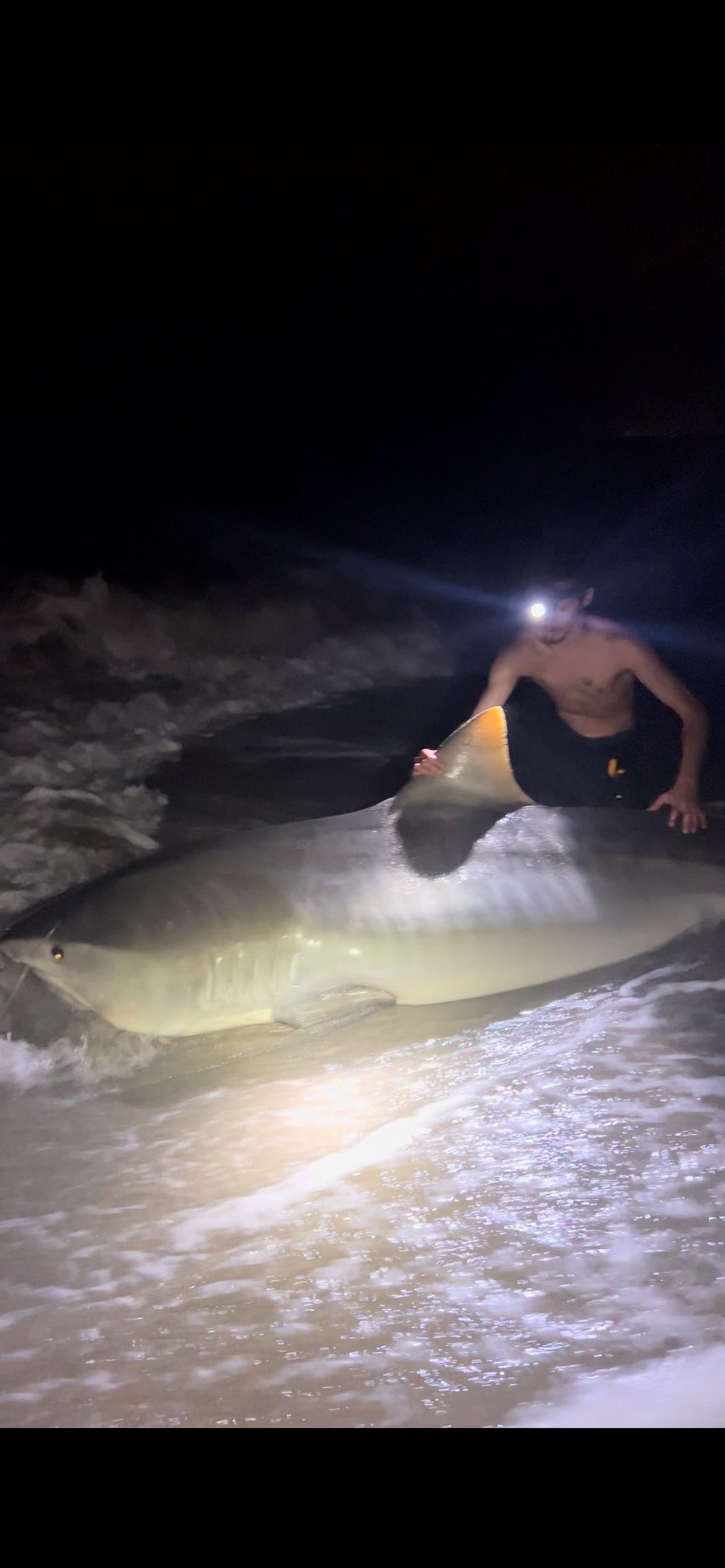
- Ultimate Land-Based Shark Fishing in Florida


Summary
Join Captain Zachary Burnette on a Thursday evening fishing charter in Destin, Florida, where lemon sharks patrol shallow coastal waters. This specialized fishing charter targets one of the Atlantic's most adaptable predators in their natural nighttime environment.
Night Fishing with Captain Zachary Burnette - Rates & Booking
Captain Zachary Burnette of Drop Zone Fishing Charters operates night fishing expeditions in Destin, Florida on Thursday evening departures. This specialized fishing charter targets lemon sharks in their active feeding periods after dark. For current rates, charter duration, group sizes, and booking availability, contact Drop Zone Fishing Charters directly to secure your spot on the water.
Highlights of Night Shark Fishing in Destin
Night shark fishing in shallow Destin waters offers a unique perspective on one of the Atlantic's most remarkable predators. Lemon sharks are aggressive hunters after sunset, making evening excursions ideal for observation and catch opportunities. The shallow water environment provides excellent visibility and exciting encounters with these powerful fish in their natural habitat.
This charter experience combines technical fishing skill with educational insights into shark behavior and marine ecology. Anglers gain hands-on understanding of how lemon sharks hunt, interact with their environment, and respond to fishing techniques specifically designed for nocturnal conditions.
Local Species Insights: Lemon Sharks
Lemon sharks are bronze-colored predators named for their distinctive yellowish tint, particularly visible along their dorsal region. These sharks typically inhabit shallow coastal waters from North Carolina to Brazil, with Florida's Gulf Coast providing prime habitat. What makes lemon sharks exceptional is their remarkable adaptability to changing salinity levels and temperature fluctuations, allowing them to thrive in Destin's dynamic coastal environment.
These sharks are ovoviviparous, meaning females give birth to live young rather than laying eggs. Lemon sharks demonstrate complex social behavior and are known to recognize individual fishing vessels and captains over time. They are primarily nocturnal hunters, using their keen sense of smell and electroreceptive organs to locate prey in darkness. Their streamlined body design enables rapid acceleration and precise maneuverability when pursuing fast-moving fish.
The shallow water habitat around Destin is critical to lemon shark ecology. Young sharks rely on these protected areas for nursery grounds, developing their hunting skills before moving to deeper waters. Adult lemon sharks return to shallow coastal zones seasonally, particularly during feeding periods. Understanding their behavior patterns is essential for successful night fishing and safe interactions with these intelligent predators.
Lemon sharks feed primarily on small fish, crustaceans, and other sharks. Their hunting strategy involves coordinated pursuit with other sharks in a feeding environment, creating dynamic interactions that reveal the complexity of shark social structures. Night fishing allows anglers to witness these behaviors firsthand under controlled charter conditions with experienced guidance.
Fishing in Florida: Lemon Shark
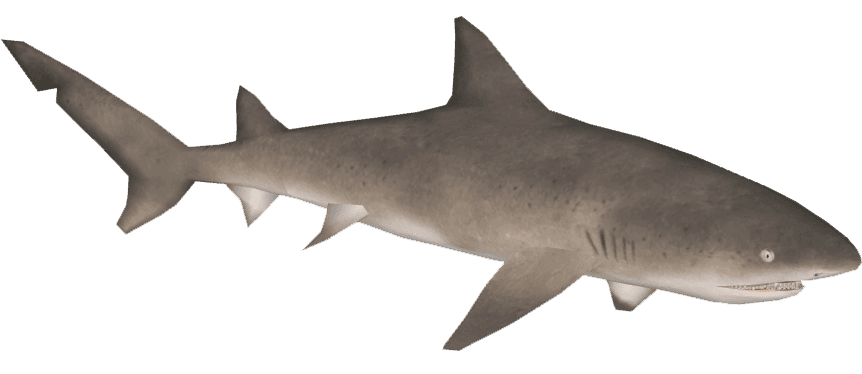
The Lemon Shark, scientifically known as Negaprion brevirostris, is a member of the Carcharhinidae family within the order Carcharhiniformes. Named for its distinctive yellowish-brown coloration that resembles the citrus fruit, this shark is one of the most recognizable and studied predators in coastal waters. What makes the Lemon Shark truly special is its incredible adaptability to shallow, warm waters and its reputation as a curious and intelligent hunter. These sharks are native to many coastal regions and have become a favorite subject for both scientific research and sport anglers seeking an exciting challenge. If you're visiting a coastal destination, chances are good that Lemon Sharks patrol the nearby bays and reefs, making them an iconic part of the marine ecosystem.
Lemon Shark Overview
The Lemon Shark is a large, stocky predator that commands respect in shallow tropical and subtropical waters. Distinguished by its blunt snout, two dorsal fins of nearly equal size, and that characteristic pale yellow-bronze coloring, this species is instantly recognizable to anyone familiar with sharks. These sharks are highly social creatures, often found in small groups, and they demonstrate a level of intelligence that fascinates marine biologists worldwide. For anglers and diving enthusiasts, the Lemon Shark represents the perfect balance of challenge and accessibility—they're powerful enough to provide an unforgettable encounter, yet common enough in coastal areas that dedicated fishermen have excellent odds of a successful outing.
Lemon Shark Habitat and Distribution
Lemon Sharks thrive in warm, shallow coastal environments where they hunt and nurse their young. They inhabit bays, estuaries, mangrove channels, coral reef systems, and nearshore waters throughout the Atlantic, Gulf of Mexico, and Caribbean. These adaptable predators are particularly abundant in Florida, the Bahamas, and other tropical hotspots, but their range extends up the U.S. East Coast during warmer months. The species is native to these regions and has evolved perfectly for life in the dynamic boundary between reef and open water. You'll find them in depths ranging from just a few feet to over 300 feet, though they're most commonly encountered in depths under 50 feet. Their preference for protected bays and reef edges makes them a signature species in many popular fishing and diving destinations.
Lemon Shark Size and Weight
Lemon Sharks are impressively large fish, with typical adults ranging from 96 to 134 inches in length—that's roughly 8 to 11 feet long. In terms of weight, expect specimens between 150 and 220 pounds, though larger individuals have been recorded. Females tend to grow slightly larger than males, and growth rates vary depending on food availability and water temperature. Juveniles are born at around 20 inches and grow steadily throughout their lives, which can extend 25 years or more in the wild. For anglers, this size range represents a powerful, hard-fighting opponent that demands serious tackle and skill to land successfully.
Lemon Shark Diet and Behavior
As apex predators in their habitat, Lemon Sharks are voracious hunters with diverse diets. They feed primarily on fish—including groupers, snappers, mullet, and other smaller sharks—but will also consume crustaceans and mollusks. These sharks are known for their bold, curious behavior and often investigate divers and boats without hesitation. Their social structure is unusual for sharks; they're highly gregarious and often hunt cooperatively in groups, which may enhance their feeding success. Lemon Sharks are most active during dawn and dusk, though they'll hunt throughout the day in deeper waters. They're particularly aggressive during feeding frenzies and are known to be attracted to vibrations and electrical signals in the water, making them highly responsive to angling techniques.
Lemon Shark Spawning and Seasonal Activity
Lemon Sharks are ovoviviparous, meaning females carry developing eggs internally and give birth to live pups. Breeding occurs during spring and early summer, with females typically delivering 4 to 17 pups after a gestation period of about 11-12 months. Nurseries are established in shallow bays and mangrove areas, where pups remain for their first few years before venturing into deeper waters. Seasonal patterns show increased activity during warmer months (May through October), when water temperatures rise and prey becomes more abundant. Migration patterns vary by population, with some individuals moving along the coast in response to temperature changes and food availability. Winter months see reduced activity, particularly in more northern range areas, making summer and fall the prime seasons for serious Lemon Shark fishing expeditions.
Lemon Shark Techniques for Observation and Capture
Live Bait Presentation: The most effective method involves using live baitfish—mullet, mackerel, or large shiners—presented on heavy-duty circle hooks with 80-130 pound test line. Cast near reef edges, channel drop-offs, and deeper holes within bays where Lemon Sharks patrol. Use a medium to heavy spinning or conventional reel and be prepared for explosive strikes. The key is matching your bait size to the shark's feeding mood; larger baits (8-12 inches) attract bigger specimens. Work your bait with subtle twitches to trigger predatory instincts, and maintain steady tension on the line once hooked.
Chunking and Chumming: Create a scent corridor by deploying cut mackerel, bonito, or other oily fish chunks upwind or upcurrent from your location. This technique works exceptionally well in bays and nearshore environments. Cast your baited rig into the chum slick and hold position; the combination of visual and olfactory stimuli will draw sharks from considerable distances. Patience is critical here—allow 15-30 minutes for a good slick to establish before expecting aggressive strikes.
Topwater and Artificial Lures: For a more active approach, try large topwater plugs, soft plastic swimbaits, or shark-specific lures in white, yellow, or chartreuse. Work these along reef edges and in areas with known shark activity, particularly during low light conditions. This method requires accuracy and persistence but delivers the unmatched thrill of a visual strike. Around coastal Florida and the Bahamas, many charter captains rely on this technique during the peak summer months, and it consistently produces excellent odds for hooking quality fish.
Lemon Shark Culinary and Utilization Notes
Lemon Sharks have poor food quality ratings among anglers and are not recommended for consumption. Their meat tends to have a strong, unpleasant taste and often contains high levels of urea, which gives it an ammonia-like smell. Additionally, like many predatory sharks, Lemon Sharks can accumulate mercury and other contaminants in their tissues, making them unsafe to eat. From a sustainability perspective, these sharks are best appreciated alive and released after capture. Many regions have established catch-and-release protocols for sharks, and supporting these practices helps maintain healthy populations. The true value of the Lemon Shark lies in the sporting challenge of the catch and the profound privilege of encountering one of the ocean's most intelligent and powerful predators.
Lemon Shark Frequently Asked Questions
Q: What is the best bait for catching Lemon Sharks?
A: Live mullet and mackerel are top choices, but any live baitfish in the 8-12 inch range will attract Lemon Sharks. Fresh-cut chunks of oily fish like mackerel, bonito, or barracuda also work exceptionally well for chumming. The key is presenting bait near reef edges and drop-offs where these sharks hunt.
Q: Where can I find Lemon Sharks near coastal fishing destinations?
A: Lemon Sharks are abundant throughout Florida's bays, estuaries, and nearshore reefs, particularly around areas like Biscayne Bay, the Florida Keys, and the Bahamas. They're found in shallow bays with mangrove channels, around coral reefs, and in deeper holes within bay systems. Ask local charter captains for current hotspots, as shark activity varies seasonally.
Q: Is it legal to catch and keep a Lemon Shark?
A: Regulations vary by location and are constantly evolving. Many regions now require immediate catch-and-release for sharks, while others allow limited harvest under specific conditions. Always check current state and federal regulations before fishing. Most anglers and conservation groups strongly advocate for releasing these magnificent animals to maintain population health.
Q: When is the best time to catch Lemon Sharks?
A: Late spring through early fall (May-October) offers the best opportunities, with peak activity during summer months when water temperatures peak. Dawn and dusk are prime feeding times, though these sharks can be caught throughout the day. Overcast days often produce better results than bright, sunny conditions.
Q: What rod and reel setup do I need for Lemon Shark fishing?
A: Use a medium to heavy conventional or spinning reel spooled with 80-130 pound test line and matched with a 7-8 foot medium-heavy rod. Circle hooks (8/0 to 12/0) are recommended for catch-and-release fishing as they typically hook in the corner of the jaw. Heavy-duty drag systems and quality construction are essential given the power of these fish.
Q: Are Lemon Sharks dangerous to divers and swimmers?
A: Lemon Sharks are generally not aggressive toward humans and attacks are extremely rare. However, they are wild predators and should be treated with respect. Never approach a Lemon Shark closely, and avoid wearing shiny jewelry or bright colors that might trigger predatory interest. Most encounters involve curious observation rather than aggression, making them a fascinating subject for underwater observation.