%2Ffit-in%2F250x250%2Fguide_websites%2F28606%2Fimages%2F1741405824341new_logo-105w.jpeg&w=1920&q=100)
Blacktip Shark Fishing in Destin FL - Night Beach Charter
Blacktip Shark Fishing in Destin - What to Expect
%2F%2Fusers%2F42bff830-31c8-46cc-8c43-24da4b63a31e%2Fimages%2Fblacktip-shark-destin-florida-fishing-2745.jpg&w=1920&q=75)
Fishing Charter by Captain Zachary Burnette in April
Meet your Captain Zachary Burnette
- Ultimate Land-Based Shark Fishing in Florida


Summary
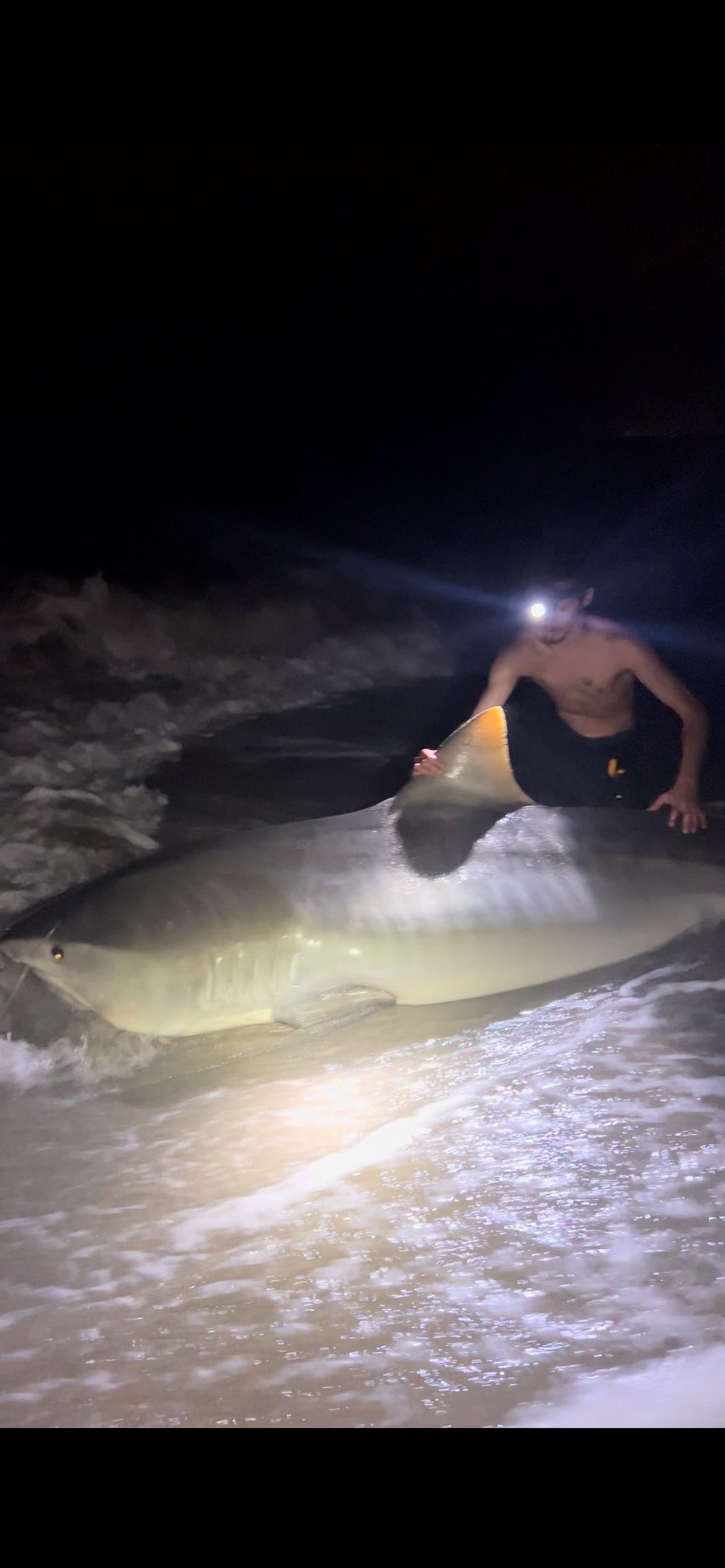
Join Captain Zachary Burnette of Drop Zone Fishing Charters on a thrilling blacktip shark fishing charter in Destin, Florida. This exciting night fishing charter offers the chance to catch powerful sharks under the stars while fishing alongside fellow anglers on the beach.
Fishing Charter with Captain Zachary Burnette - Rates & Booking
Captain Zachary Burnette of Drop Zone Fishing Charters offers an unforgettable blacktip shark fishing experience on a Sunday in April. This night fishing charter brings anglers together on Destin's beaches for an action-packed encounter with one of Florida's most exciting game fish. The group-based charter accommodates multiple anglers, creating a shared experience where everyone can witness the raw power of these coastal predators as they strike hard under the cover of darkness.
Drop Zone Fishing Charters specializes in inshore and nearshore fishing adventures, with Captain Burnette bringing years of local expertise to every trip. The charter includes all necessary fishing gear and equipment, ensuring both experienced anglers and newcomers can focus on the thrill of the catch. Book your blacktip shark fishing charter today to reserve your spot on an evening you won't forget.
Highlights of Your Blacktip Shark Fishing Experience
Night fishing transforms the Destin coastline into a thrilling arena where blacktip sharks become active hunters. The darkness amplifies the intensity of each strike, as the sharks' feeding instincts peak when natural light fades. Fishing alongside a group of fellow anglers adds to the excitement, with the collective energy and shared success creating an unforgettable atmosphere on the beach.
The unique combination of nighttime conditions and shallow water creates ideal circumstances for encountering these aggressive feeders. Blacktip sharks patrol coastal waters with incredible speed and power, making them a premier target for adventure-seeking anglers. Captain Burnette's local knowledge ensures you're fishing the most productive spots during peak feeding times.
Local Species Insights: Blacktip Shark
Blacktip sharks are among Florida's most recognizable coastal predators, named for the distinctive black markings on their dorsal and tail fins. These sleek, bronze-colored sharks typically range from 4 to 6 feet in length, though larger specimens are not uncommon in Destin waters. They're incredibly responsive to bait presentations and deliver explosive strikes that create intense moments of pure adrenaline.
These sharks thrive in the shallow, warm waters surrounding Destin, particularly during evening and night hours when they become most active. Blacktip sharks are incredibly acrobatic, often leaping clear of the water during their fight, adding a visual spectacle to the already thrilling battle. Their aggressive nature and powerful runs make them ideal targets for anglers seeking an authentic fight on light to medium tackle. The presence of multiple blacktips in the area ensures consistent action throughout the night, keeping anglers engaged from start to finish.
Night fishing takes advantage of the sharks' natural behavior patterns. As darkness falls, these predators move into shallow water to hunt, making them more accessible to shore-based anglers. The reduced visibility actually works in favor of the angler, as baitfish become easier targets for the sharks, triggering feeding responses that result in aggressive strikes on your lines. This is prime time for blacktip action in Destin.
Plan Your Shark Fishing Day
Your blacktip shark fishing adventure begins as daylight fades along Destin's pristine beaches. The charter accommodates a group of anglers, allowing you to share in the collective excitement of a productive night on the water. Drop Zone Fishing Charters provides all essential gear, including rods, reels, and tackle configured specifically for shark fishing. Dress in layers, as evening coastal conditions can bring a refreshing breeze once the sun disappears.
The night session focuses on the most productive feeding hours for blacktip sharks. Captain Burnette positions the group strategically along the beach to intercept patrolling sharks drawn by live or cut bait presentations. The experience combines technical angling skill with raw adventure, as each cast offers the potential for an explosive strike. Whether this is your first shark encounter or you're a seasoned saltwater angler, the blacktip shark fishing charter delivers memorable moments and the genuine thrill of encountering apex predators in their natural environment.
Fishing in Florida: Blacktip Shark
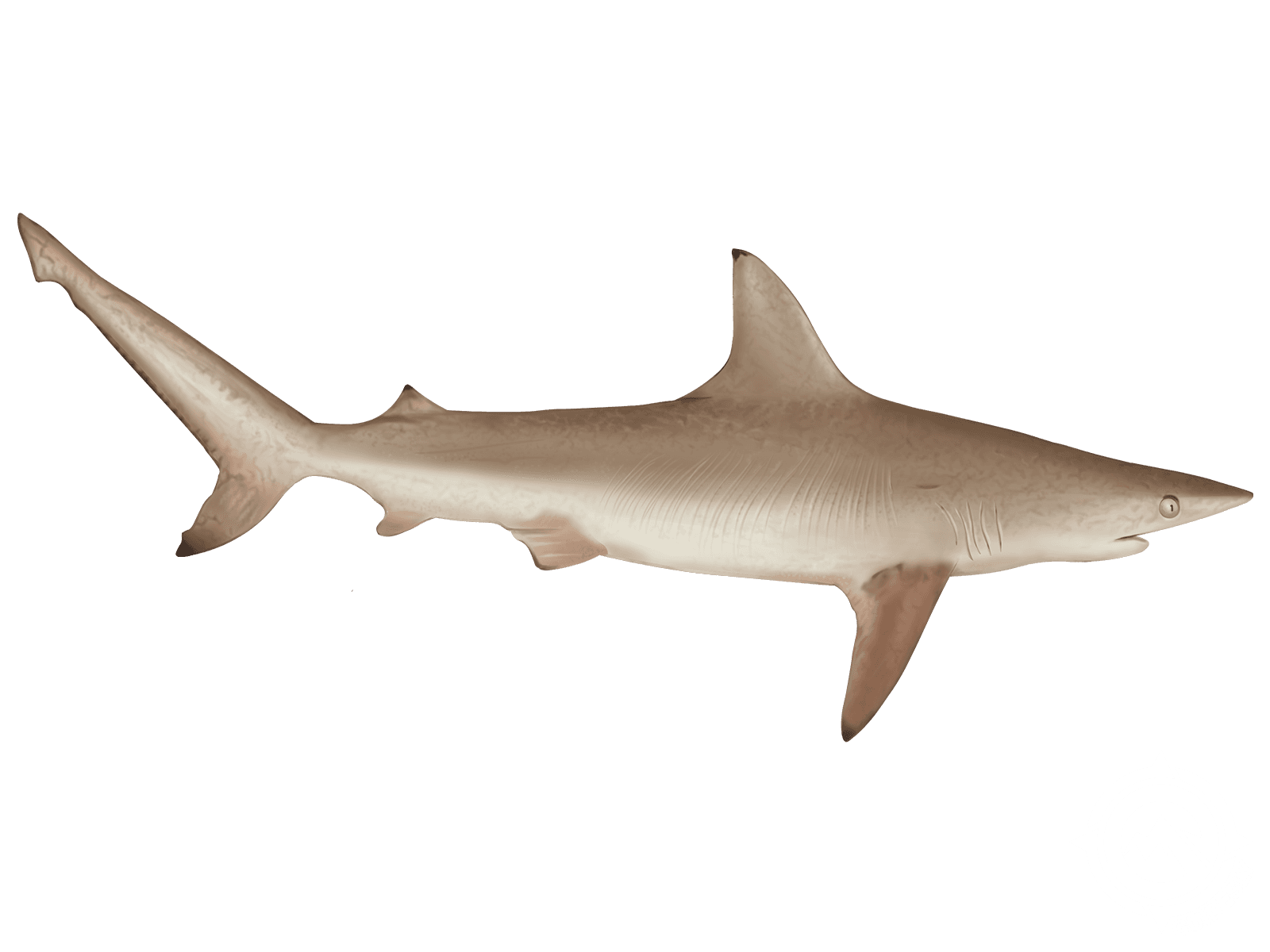
The Blacktip Shark (Carcharhinus limbatus) belongs to the family Carcharhinidae within the order Carcharhiniformes, making it a classic requiem shark with some truly fascinating quirks. These robust predators are instantly recognizable by their distinctive black-tipped fins that give them their common name, along with their stout build and notably longer gill slits compared to their blue shark cousins. What makes them particularly exciting for anglers is their incredible acrobatic ability – they can launch themselves up to 21 feet per second out of the water, and yes, they've been known to jump right into boats during feeding frenzies!
Blacktip Shark Overview
These streamlined hunters represent one of the most dynamic shark species you'll encounter in warm coastal waters. Despite their robust appearance, they're surprisingly timid creatures that prefer to observe from a distance before making their move. Their smaller eyes mean they rely heavily on their incredible sense of smell to locate prey, making them particularly responsive to chum and oily baits. The species is closely related genetically to the blacknose shark, which likely explains those signature dark fin markings that make identification so straightforward for both scientists and fishing enthusiasts.
Blacktip Shark Habitat and Distribution
You'll find these remarkable sharks patrolling tropical and subtropical waters from Massachusetts down to Brazil, with healthy populations throughout the Gulf of Mexico and Caribbean Sea. They've also been spotted along the Democratic Republic of Congo and at the boundaries of the Indian Ocean. These sharks typically cruise in waters around 98 feet deep, though they can venture down to 210 feet when following food sources. They show a strong preference for continental and insular shelves, often gathering around artificial reefs where their preferred prey congregates. Muddy bays and island lagoons are also prime real estate for these adaptable predators.
Blacktip Shark Size and Weight
Most specimens you'll encounter measure around 60 inches in length, though they can grow substantially larger with maximum recorded lengths reaching 108 inches. Weight typically ranges from 100 to 150 pounds for mature adults, though exceptional individuals have been documented at 271 pounds and nearly 9.2 feet long. Their compact, muscular build makes them incredibly powerful swimmers despite their relatively modest size compared to other shark species. This size range makes them perfect targets for sport fishing – large enough to provide an exciting fight but manageable with proper equipment.
Blacktip Shark Diet and Behavior
These opportunistic feeders maintain a diverse diet centered around schooling fish including sardines, herring, anchovies, mackerel, groupers, and various flatfish species. In Gulf of Mexico waters, they show a particular fondness for Atlantic Croaker. Their excitable, social nature often leads to spectacular feeding frenzies when they encounter large schools of preferred prey. Despite their enthusiasm during feeding, they can be surprisingly timid in other situations, often losing prime feeding spots to more aggressive species like Galapagos sharks. Their agonistic displays when confronting other sharks involve distinctive posturing that's fascinating to observe.
Blacktip Shark Spawning and Seasonal Activity
These sharks follow seasonal migration patterns that bring them closer to shore during warmer months, making spring through fall the prime time for encounters. Females typically give birth to live young in shallow nursery areas, which explains why smaller individuals are often found in protected bays and lagoons. During pupping season, adult females become more aggressive and less approachable, while males may form loose aggregations in deeper waters. The species shows increased activity during dawn and dusk periods, though they remain active hunters throughout the day when conditions are favorable.
Blacktip Shark Techniques for Observation or Capture
Success with these sharks requires heavy braided line rated for at least 20-50 pounds and strong circle hooks that won't snap under pressure. Multiple lines work best since these sharks often patrol in small groups around artificial reefs and structure. Creating a chum slick using mackerel, herring, or sardines pounded into paste is incredibly effective – their powerful sense of smell will draw them from considerable distances. Live sardines make excellent bait due to their oily nature and strong scent trail. Around popular fishing areas, look for birds working the surface or other signs of baitfish activity, as these sharks are rarely far behind. The key is patience and persistence, as their timid nature means they'll often circle for quite a while before committing to a bait.
Blacktip Shark Culinary and Utilization Notes
While edible, these sharks are considered to have average culinary quality compared to other gamefish species. The meat is firm and mild when properly prepared, though it requires immediate bleeding and icing to prevent the ammonia taste that can develop in shark meat. Many anglers practice catch-and-release with this species due to their ecological importance and the fact that they're vulnerable to overfishing. When kept, they're best prepared as steaks or fillets, soaked in milk or citrus to remove any strong flavors, then grilled or blackened with bold seasonings.
Blacktip Shark Frequently Asked Questions
Q: What is the best bait for catching blacktip sharks?
A: Oily, strong-smelling fish work best – live sardines, mackerel chunks, or herring. Create a chum slick by grinding up these same fish to attract them from a distance. The oil and scent are irresistible to their powerful sense of smell.
Q: Where can I find blacktip sharks in nearshore waters?
A: Look for them around artificial reefs, wrecks, and areas where baitfish congregate. They prefer waters 50-200 feet deep over continental shelves, and often cruise muddy bays and lagoon entrances during feeding times.
Q: Are blacktip sharks dangerous to swimmers and divers?
A: They're generally timid around humans and rarely pose a threat. Their excitable nature during feeding frenzies requires caution, but unprovoked attacks are extremely rare. They're more likely to flee than confront divers.
Q: When is the best time to target these sharks?
A: Dawn and dusk provide the most consistent action, though they feed throughout the day. Warmer months bring them closer to shore, with peak activity typically occurring during spring through fall migration periods.
Q: What equipment do I need for blacktip shark fishing?
A: Heavy braided line (20-50 lb test minimum), strong circle hooks, wire leaders to prevent bite-offs, and a sturdy rod capable of handling their explosive runs and jumps. A quality reel with smooth drag is essential.
Q: How can I tell blacktip sharks apart from similar species?
A: The distinctive black tips on their fins are the key identifier, along with their stout build and longer gill slits compared to blue sharks. They lack the ridge behind the dorsal fin found on some other requiem sharks.