
Blacktip Shark Fishing in Destin - Charter with Zachary
Blacktip Shark Fishing in Destin - What to Expect
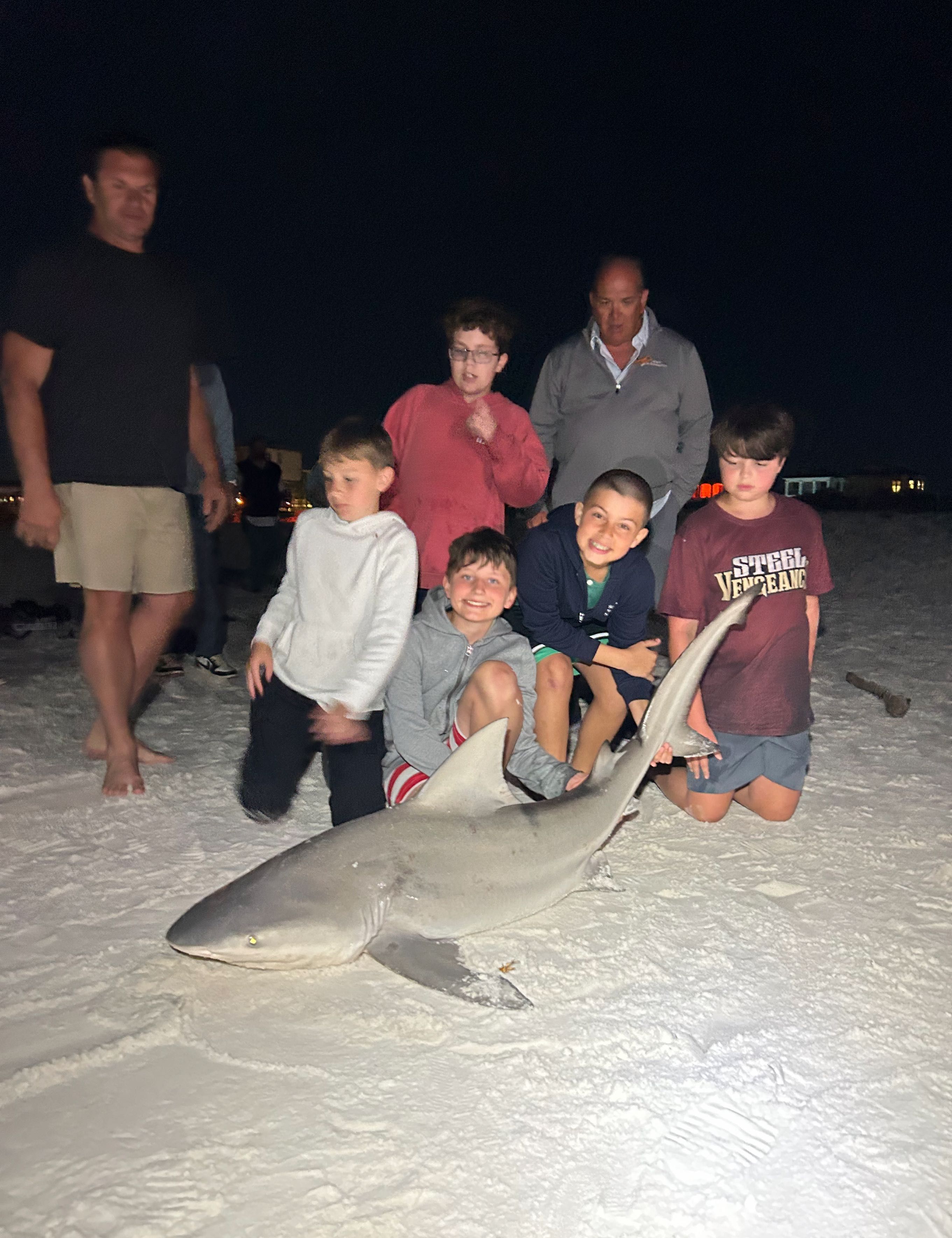
Fishing Charter by Captain Zachary Burnette in December
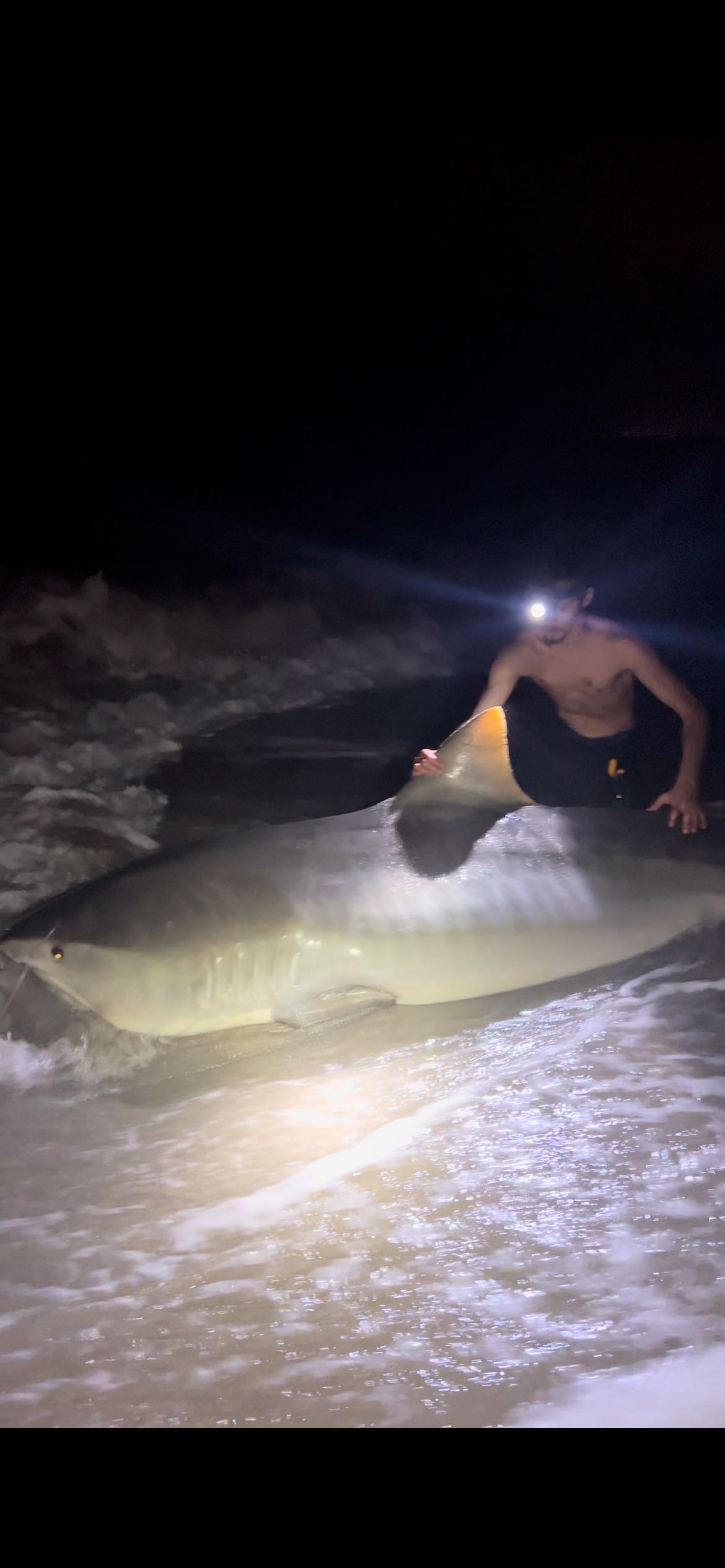
- Ultimate Land-Based Shark Fishing in Florida


Summary
Catch blacktip sharks on a fishing charter in Destin, Florida with Captain Zachary Burnette of Drop Zone Fishing Charters. This Sunday in April, anglers encountered multiple sharks during an active day on the water, experiencing the thrill of targeting these fast-moving predators in coastal Gulf waters.
Fishing Charter with Captain Zachary Burnette - Rates & Booking
Captain Zachary Burnette of Drop Zone Fishing Charters guided anglers to blacktip shark success on Sunday, April 27. This fishing charter provides access to prime shark fishing grounds off the Destin coast, where multiple opportunities await experienced and novice anglers alike. The charter experience includes professional guidance, proven techniques for shark detection and landing, and the expertise of a captain who understands local Gulf conditions and species behavior. For booking information and current rates for your shark fishing adventure, contact Drop Zone Fishing Charters directly to reserve your spot on the water.
Highlights of Shark Fishing in Destin
Destin's coastal waters deliver consistent blacktip shark encounters during the spring and summer months. These aggressive predators respond well to live bait and chunking techniques, creating dynamic fishing action that keeps anglers engaged throughout the day. The presence of eight participants on this charter demonstrates the social appeal of shark fishing - a shared experience where multiple anglers witness strikes, runs, and successful landings together. The camaraderie of a group charter combined with the individual thrill of battling a powerful shark creates lasting memories on the water.
The blacktip sharks encountered off Destin are typically in the 4 to 8-foot range, providing manageable yet challenging opponents for the fishing charter setting. The clear Gulf waters and stable spring conditions create ideal visibility for spotting sharks and reading their behavior patterns. Captain Zachary's local knowledge of seasonal movements and feeding patterns ensures anglers fish the most productive waters and times.
Local Species Insights: Blacktip Sharks
Blacktip sharks are one of the most common and aggressive species targeted in Destin's waters. Recognizable by their distinctive black-tipped fins and sleek bronze coloring, these sharks are fast swimmers that hunt in shallow to moderate depths along the continental shelf. They are highly responsive to sensory cues - detecting blood and vibrations from considerable distances - making them ideal targets for active fishing techniques.
These sharks are social predators, often hunting in small groups, which explains why multiple blacktips appear in a single fishing location. Their speed and aggressive feeding response create exciting moments when they strike bait or respond to artificial lures. Blacktip sharks are well-adapted to Gulf waters and thrive in the 70-85 degree temperature range typical of Destin springs and summers. They prefer areas with structure, drop-offs, and baitfish concentrations - prime habitat found throughout the fishing grounds Captain Zachary targets.
Understanding blacktip behavior enhances the fishing experience significantly. These sharks are curious and competitive, often racing other sharks to food sources. This natural behavior makes them responsive to charter fishing strategies that create visual and sensory stimulation. The successful outing on the April 27 charter reflects both favorable conditions and Captain Zachary's ability to position the boat where blacktips actively feed and patrol.
When targeting blacktips, anglers should expect powerful runs, acrobatic head shakes, and sustained fights. These sharks use their tail as a weapon and leverage their body weight effectively. Landing a blacktip requires proper rod handling, drag adjustment, and patience - all factors a professional charter captain guides clients through successfully. The combination of technical skill, species knowledge, and tactical positioning separates productive days from slow ones in shark fishing.
Fishing in Florida: Blacktip Shark

The Blacktip Shark (Carcharhinus limbatus) belongs to the family Carcharhinidae within the order Carcharhiniformes, making it a classic requiem shark with some truly fascinating quirks. These robust predators are instantly recognizable by their distinctive black-tipped fins that give them their common name, along with their stout build and notably longer gill slits compared to their blue shark cousins. What makes them particularly exciting for anglers is their incredible acrobatic ability – they can launch themselves up to 21 feet per second out of the water, and yes, they've been known to jump right into boats during feeding frenzies!
Blacktip Shark Overview
These streamlined hunters represent one of the most dynamic shark species you'll encounter in warm coastal waters. Despite their robust appearance, they're surprisingly timid creatures that prefer to observe from a distance before making their move. Their smaller eyes mean they rely heavily on their incredible sense of smell to locate prey, making them particularly responsive to chum and oily baits. The species is closely related genetically to the blacknose shark, which likely explains those signature dark fin markings that make identification so straightforward for both scientists and fishing enthusiasts.
Blacktip Shark Habitat and Distribution
You'll find these remarkable sharks patrolling tropical and subtropical waters from Massachusetts down to Brazil, with healthy populations throughout the Gulf of Mexico and Caribbean Sea. They've also been spotted along the Democratic Republic of Congo and at the boundaries of the Indian Ocean. These sharks typically cruise in waters around 98 feet deep, though they can venture down to 210 feet when following food sources. They show a strong preference for continental and insular shelves, often gathering around artificial reefs where their preferred prey congregates. Muddy bays and island lagoons are also prime real estate for these adaptable predators.
Blacktip Shark Size and Weight
Most specimens you'll encounter measure around 60 inches in length, though they can grow substantially larger with maximum recorded lengths reaching 108 inches. Weight typically ranges from 100 to 150 pounds for mature adults, though exceptional individuals have been documented at 271 pounds and nearly 9.2 feet long. Their compact, muscular build makes them incredibly powerful swimmers despite their relatively modest size compared to other shark species. This size range makes them perfect targets for sport fishing – large enough to provide an exciting fight but manageable with proper equipment.
Blacktip Shark Diet and Behavior
These opportunistic feeders maintain a diverse diet centered around schooling fish including sardines, herring, anchovies, mackerel, groupers, and various flatfish species. In Gulf of Mexico waters, they show a particular fondness for Atlantic Croaker. Their excitable, social nature often leads to spectacular feeding frenzies when they encounter large schools of preferred prey. Despite their enthusiasm during feeding, they can be surprisingly timid in other situations, often losing prime feeding spots to more aggressive species like Galapagos sharks. Their agonistic displays when confronting other sharks involve distinctive posturing that's fascinating to observe.
Blacktip Shark Spawning and Seasonal Activity
These sharks follow seasonal migration patterns that bring them closer to shore during warmer months, making spring through fall the prime time for encounters. Females typically give birth to live young in shallow nursery areas, which explains why smaller individuals are often found in protected bays and lagoons. During pupping season, adult females become more aggressive and less approachable, while males may form loose aggregations in deeper waters. The species shows increased activity during dawn and dusk periods, though they remain active hunters throughout the day when conditions are favorable.
Blacktip Shark Techniques for Observation or Capture
Success with these sharks requires heavy braided line rated for at least 20-50 pounds and strong circle hooks that won't snap under pressure. Multiple lines work best since these sharks often patrol in small groups around artificial reefs and structure. Creating a chum slick using mackerel, herring, or sardines pounded into paste is incredibly effective – their powerful sense of smell will draw them from considerable distances. Live sardines make excellent bait due to their oily nature and strong scent trail. Around popular fishing areas, look for birds working the surface or other signs of baitfish activity, as these sharks are rarely far behind. The key is patience and persistence, as their timid nature means they'll often circle for quite a while before committing to a bait.
Blacktip Shark Culinary and Utilization Notes
While edible, these sharks are considered to have average culinary quality compared to other gamefish species. The meat is firm and mild when properly prepared, though it requires immediate bleeding and icing to prevent the ammonia taste that can develop in shark meat. Many anglers practice catch-and-release with this species due to their ecological importance and the fact that they're vulnerable to overfishing. When kept, they're best prepared as steaks or fillets, soaked in milk or citrus to remove any strong flavors, then grilled or blackened with bold seasonings.
Blacktip Shark Frequently Asked Questions
Q: What is the best bait for catching blacktip sharks?
A: Oily, strong-smelling fish work best – live sardines, mackerel chunks, or herring. Create a chum slick by grinding up these same fish to attract them from a distance. The oil and scent are irresistible to their powerful sense of smell.
Q: Where can I find blacktip sharks in nearshore waters?
A: Look for them around artificial reefs, wrecks, and areas where baitfish congregate. They prefer waters 50-200 feet deep over continental shelves, and often cruise muddy bays and lagoon entrances during feeding times.
Q: Are blacktip sharks dangerous to swimmers and divers?
A: They're generally timid around humans and rarely pose a threat. Their excitable nature during feeding frenzies requires caution, but unprovoked attacks are extremely rare. They're more likely to flee than confront divers.
Q: When is the best time to target these sharks?
A: Dawn and dusk provide the most consistent action, though they feed throughout the day. Warmer months bring them closer to shore, with peak activity typically occurring during spring through fall migration periods.
Q: What equipment do I need for blacktip shark fishing?
A: Heavy braided line (20-50 lb test minimum), strong circle hooks, wire leaders to prevent bite-offs, and a sturdy rod capable of handling their explosive runs and jumps. A quality reel with smooth drag is essential.
Q: How can I tell blacktip sharks apart from similar species?
A: The distinctive black tips on their fins are the key identifier, along with their stout build and longer gill slits compared to blue sharks. They lack the ridge behind the dorsal fin found on some other requiem sharks.
